Scaling Design Excellence with Intention - Across Product & Brand
At Sense, design operations evolved into a strategic function - establishing the systems, rituals, and cross-functional alignment required to scale design quality, speed, and cohesion across a complex, multi-product platform. Through close collaboration with Product, Engineering, Marketing, and Customer teams, design became a proactive force in driving clarity, consistency, and customer impact.
At Sense, design operations evolved into a strategic function - establishing the systems, rituals, and cross-functional alignment required to scale design quality, speed, and cohesion across a complex, multi-product platform. Through close collaboration with Product, Engineering, Marketing, and Customer teams, design became a proactive force in driving clarity, consistency, and customer impact.
01. Systems that Scale: Building Genesis
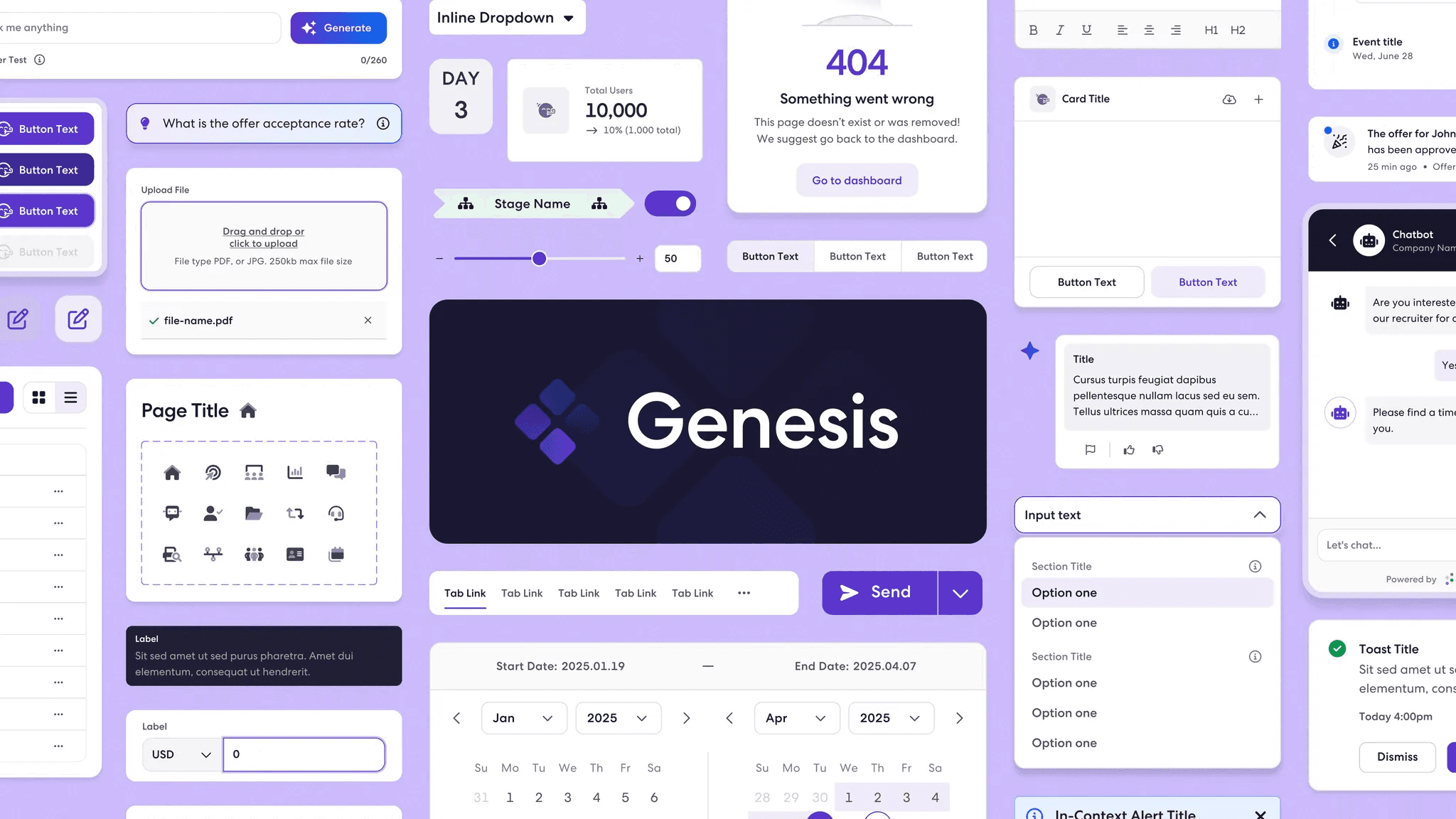
My team established Genesis, our cross-platform design system, from the ground up - unifying UI components, interaction patterns, and brand language across our multi-product ecosystem. Genesis became the shared language between product, brand, and engineering - improving design velocity, enabling accessible and inclusive experiences, and reducing time-to-market across initiatives.
20+ hrs / dev, saved per month
75% faster design UATs, reduction in design-to-dev handoff friction
40% increase in developer efficiency
02. Design Process ✨ Powered by AI
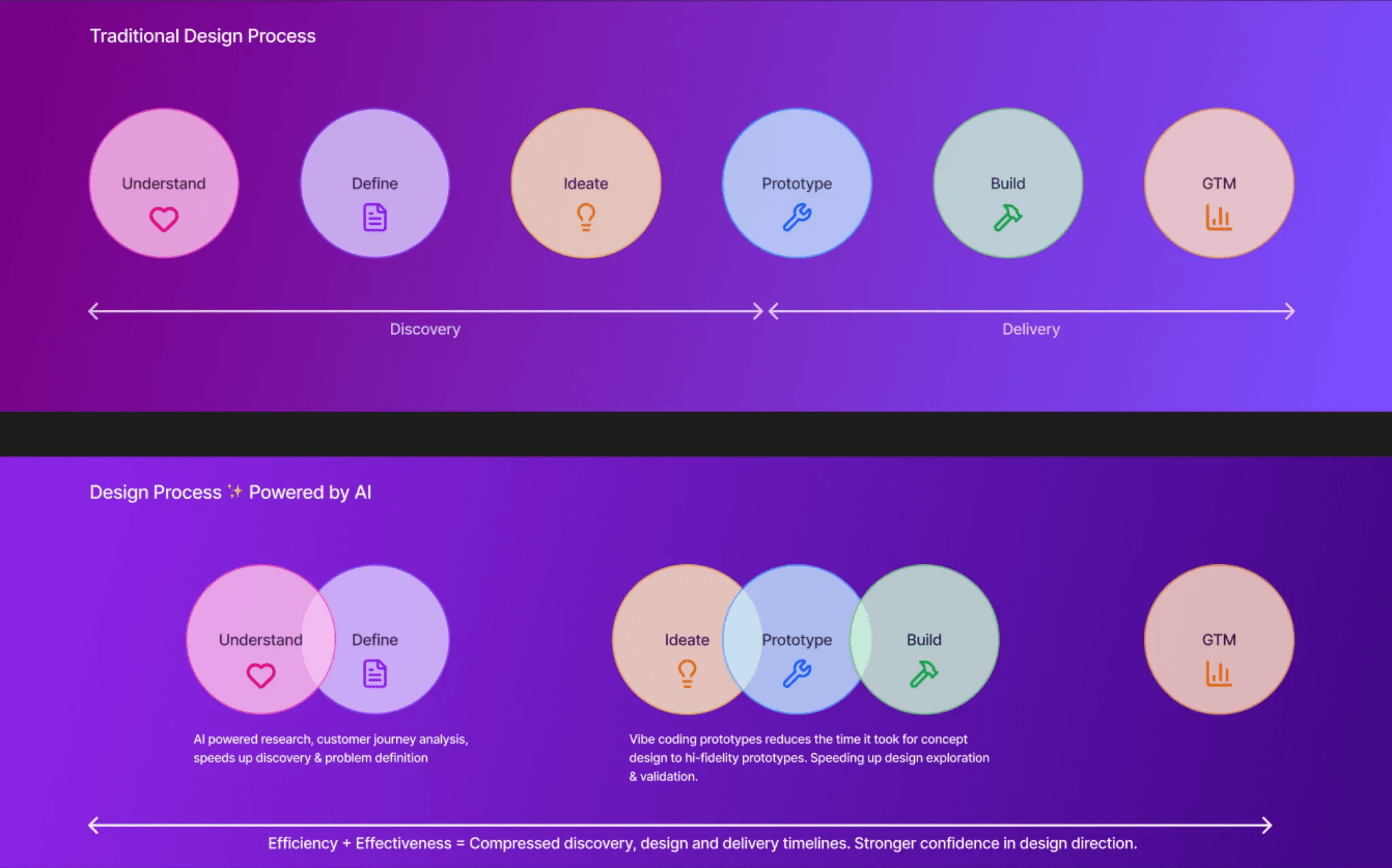
At Sense, designers are empowered to operationalize AI across the product development lifecycle, fundamentally transforming how research, exploration, and iteration happen. By embedding AI into the shaping and design phases, the team is accelerating discovery, uncovering richer insights, and validating solutions earlier and with higher fidelity.
This shift has compressed the time between research and prototyping by up to 75%, enabling earlier user testing and stronger strategic alignment between product and design. The enablement model is decentralized by design - each designer has the autonomy to build their own AI workflows. This flexibility has fostered deeper ownership, faster learning, and a culture of experimentation that’s led to tighter collaboration with PMs and engineers during shaping.
03. Rituals that Elevate Craft
Team-wide critique and QA rituals were established to embed continuous feedback and raise the quality bar across every initiative. These practices fostered alignment across pods, empowered IC ownership, and created space for reflection, learning, and peer-driven improvement. Design team consistently rates highest in employee satisfaction.
04. Operational Alignment Across EPD
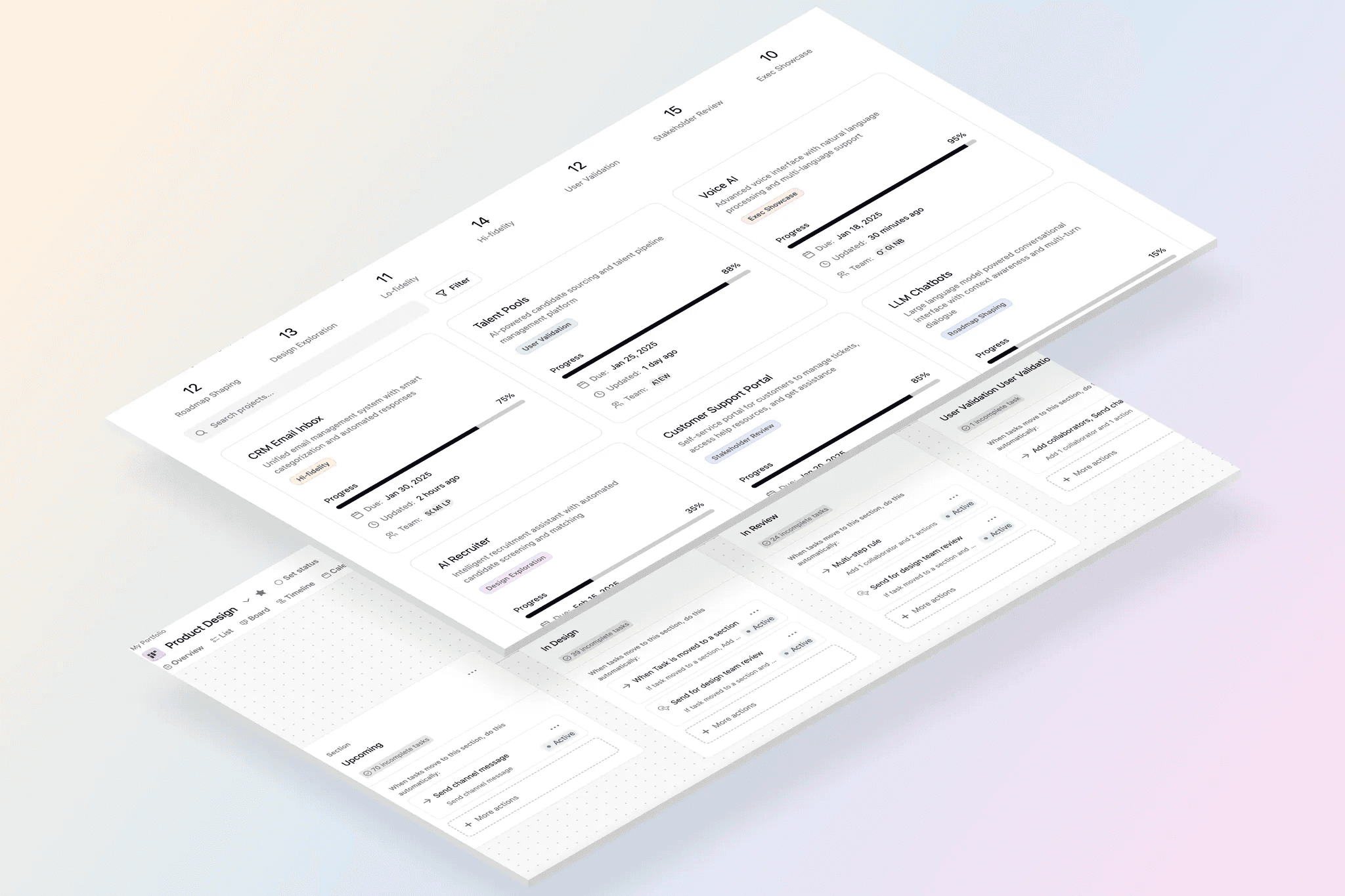
Unified inconsistent pod workflows by embedding design into a single 4-stage gated RACI framework. Defined clear ownership, decision points, and design quality checks across product, design, and engineering—creating alignment, accountability, and consistent delivery across teams.
05. Operationalizing Customer Empathy
Led the Voice of the Customer (VoC) program to turn customer empathy into a strategic input for product planning. Built a central insight library unifying feedback from Solution Consulting, Customer Success, and users — powering continuous product discovery and a data-driven design backlog. Enabled faster iteration through beta rollouts, GTM tiering, and CSAT loops, helping teams prioritize high-impact opportunities with confidence.
06. Product / Brand Cohesion by Design
Design org structure was reshaped to integrate product and brand teams into a unified function - creating shared ownership over storytelling across web, app, sales, and campaign experiences. This alignment enabled faster collaboration on launches, tighter feedback loops between product and marketing, and a more cohesive platform presence in market.